
Searching for The Best Medicare Supplement Plans Available In Miami , Florida?
Tailored Medigap Plan quotes for Miami-Dade County seniors. Get personalized coverage today.
Compare Plans • Speak With a Licensed Advisor • Same-Day Quotes
Why Medicare Supplements Matter Here in Miami : Your Guide to Coverage
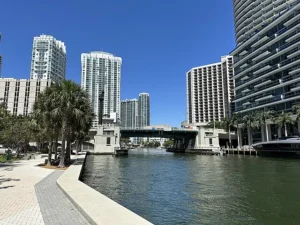 Finding the Right Medigap Coverage for Your Miami Retirement
Choosing a Medicare Supplement plan doesn’t have to be complicated. Whether you’re already enjoying retirement in Miami or turning 65 soon, we help residents across Miami-Dade County find Medigap coverage that fits their health needs and budget. From covering those gaps in Original Medicare to protecting you from unexpected medical bills, the right plan makes all the difference in your peace of mind.
. Click Here To Compare All Plans
Miami Senior Demographics & Lifestyle
According to U.S. Census data, Miami is a major metropolitan city:
- Population: Approximately 470,000
- Residents 65+: About 16%
- Median age: 40 years
- Median household income: $44,000
- Home ownership rate: 34%
- Affordability: Working to middle-class; affordable to moderate urban
Many Miami retirees enjoy:
- Moderate Senior Population: 16% seniors in a working to middle-class major metropolitan city
- Largest City Character: Miami-Dade County’s LARGEST city and major metropolitan center
- Working to Middle-Class Community: Affordable to moderate-income urban living
- Jackson Memorial Hospital: Major regional hospital LOCAL
- University of Miami Hospital: Academic medical center LOCAL
- Baptist Health South Miami Hospital: Hospital LOCAL
- Numerous Other Hospitals: Extensive hospital access throughout city
- Urban Environment: Vibrant urban living, diverse neighborhoods
- Low Urban Homeownership: 34% own reflecting urban rental character
- Strategic Location: County seat, major metropolitan center, Biscayne Bay waterfront
- International Gateway: Major international city and cultural center
- Port of Miami: Major cruise port
- Downtown Miami: Central business district
- Brickell: Financial district
- Coconut Grove: Historic neighborhood
- Wynwood: Arts district
- Little Havana: Cuban cultural center
- SEVERE COASTAL EXPOSURE: Biscayne Bay waterfront hurricane vulnerability
Miami attracts working to middle-class retirees seeking affordable urban metropolitan living. The combination of affordable to moderate urban costs with a $44,000 moderate median income, a moderate senior population (16%), low urban homeownership (34% reflecting rental character), EXTENSIVE local hospital access including Jackson Memorial Hospital major regional, University of Miami Hospital academic medical center, Baptist Health South Miami Hospital, and numerous other hospitals providing EXCEPTIONAL healthcare access, vibrant international urban character, Port of Miami, downtown and Brickell, Coconut Grove, Wynwood, Little Havana Cuban cultural center, county seat and metropolitan center location with SEVERE COASTAL EXPOSURE along Biscayne Bay waterfront including significant storm surge vulnerability from Hurricane Irma, Wilma impacts, and affordable to moderate urban metropolitan living makes it ideal for working to middle-class retirees who prioritize exceptional local hospital access, vibrant urban amenities, international cultural character, and affordable metropolitan living on moderate budgets while understanding severe coastal hurricane vulnerability in waterfront areas.
What's the process?

We make it easy to get started. Most people Most use our form so we can reach out at a time that works best for them. During this short call, we’ll review your Medicare Part B effective date, any current coverage you may have, and the budget range you want to stay within.
- Clear, Unbiased, Fast
- Licensed since 1994
- FL License #A169316

We compare rates from multiple Medicare Supplement carriers and identify any potential underwriting considerations. Once we’ve narrowed the options to the plans that best fit your situation, we’ll schedule a convenient time to review the quotes together and explain the trade-offs clearly.
- No pushy sales theater
- Right-sized plan
- Application concierge

Right-sized Medigap plan for your ZIP code and budget (often Plan G or Plan N)
Application support so your e-app is completed correctly the first time
Annual rate check so you’re not overpaying at renewal
- Same day quotes
- Apples-to-apples
- 24-hour response
Why This Site Exists
Medicare can be confusing, overwhelming, and filled with conflicting advice. For many people approaching age 65, it feels less like a healthcare decision and more like navigating a maze of conflicting advice, sales pressure, and generic information that rarely reflects where you actually live or how you actually retire.
MedicareSupplementsOnly.com was created to cut through that noise. Read more
2026 Medicare Costs at a Glance
$1,736.00
Part A Deductible (per benefit period)
$283.00
Part B Deductible (per year)
$202.90 (or higher depending on your income).
Part B Premium (The amount can change each year.)
$217
Skilled Nursing (days 21-100)
Varies
Medigap premiums by plan & location
What Is a Medicare Supplement Plan?
Medicare Supplement plans, also known as Medigap, are optional insurance policies offered by private companies that help cover costs not fully paid by Original Medicare (Part A and Part B).
These plans are designed to reduce out-of-pocket expenses such as deductibles, coinsurance, and copayments, making healthcare costs more predictable.
How Do Medicare Supplement Plans Work?
Medicare Supplement plans work alongside Original Medicare:
• You remain enrolled in Original Medicare
• Medicare pays its portion of approved healthcare costs
• Your Medigap plan pays its portion based on the plan you choose
You continue using your Medicare card when receiving care. The Medigap plan simply helps cover the remaining eligible costs after Medicare pays.
*Updated annually by Medicare. Premiums may vary based on income.
Fast Facts About Medicare Supplement (Medigap) Plans
Medigap is not Medicare Advantage
Medicare Supplement plans work alongside Original Medicare Parts A and B. There are no provider networks and no referral requirements.
Pricing depends on personal and location factors
Premiums vary based on ZIP code, age, tobacco use, household discounts, and the insurance company. Benefits are standardized, but pricing is not.
When you enroll matters
Your Medicare Part B effective date and any Guaranteed Issue periods determine whether medical underwriting applies. Enrolling at the right time can affect both eligibility and long-term costs.
You can see any provider that accepts Medicare
Medigap plans allow you to visit any doctor or hospital nationwide that accepts Medicare, which is especially important for those who travel or receive care outside their immediate area.
Medicare Supplement (Medigap) vs. Medicare Advantage
Medicare beneficiaries typically choose between Medicare Supplement (Medigap) and Medicare Advantage plans, which operate differently.
Medicare Supplement (Medigap):
• Higher monthly premiums compared to many Medicare Advantage plans
• Designed to reduce unpredictable out-of-pocket medical costs
• Works with Original Medicare Parts A and B
• No provider networks or referral requirements
• Nationwide access to providers that accept Medicare
Medicare Advantage:
• Lower monthly premiums in many cases
• Uses provider networks and plan-specific rules
• May require referrals, prior authorizations, and cost-sharing
• Coverage and benefits can change annually
For individuals who value predictable costs, provider flexibility, and nationwide access, Medicare Supplement plans are often a better fit.
What Factors Influence Medicare Supplement Pricing?
Medicare Supplement premiums vary based on both location and personal factors. Common variables include:
• ZIP code
• Age and enrollment timing
• Tobacco use
• Household or spousal discounts
• Insurance company pricing history and rate adjustments
Because Medigap benefits are standardized, differences in premiums are driven primarily by how insurance companies price and adjust rates over time—not by differences in coverage.
Medigap vs Medicare Advantage vs Original Medicare
| Feature | Original Medicare (Parts A & B) | Medicare Supplement (Medigap) | Medicare Advantage (Part C) |
|---|---|---|---|
| Works with Original Medicare | Yes | Yes | No |
| Helps pay deductibles and coinsurance | No | Yes | Sometimes |
| Provider network restrictions | No (any provider that accepts Medicare) | No (same as Original Medicare) | Yes (network-based) |
| Referrals required for specialists | No | No | Often |
| Prescription drug coverage included | No | No (separate Part D required) | Usually |
| Predictable out-of-pocket costs | No | Yes | Varies by plan |
| Travel flexibility within the U.S. | Yes | Yes | Limited outside network |
| Plan changes year to year | No | No (guaranteed renewable) | Yes (plans may change annually) |
Medicare Supplement plans are standardized by the federal government. The benefits for each plan letter are the same across carriers, while premiums and underwriting requirements can vary.
Medicare Information Transparency
The information on this site is provided for educational purposes and reflects publicly available Medicare program rules and guidance. Medicare Supplement policies are offered by private insurance companies, and availability, underwriting requirements, and premiums can vary by state, county, and ZIP code.
For official Medicare program information, visit Medicare.gov or speak with a licensed Medicare advisor.
Medicare Supplement Plans in Miami
Miami is the core of South Florida’s healthcare ecosystem, with dense hospital networks, specialty clinics, and regional medical centers serving patients from across Miami-Dade and beyond. Medicare planning here usually centers on dependable supplemental coverage, predictable monthly costs, and the flexibility to use providers across a large, complex metro without network restrictions.
Medicare Supplement (Medigap) plans help cover the gaps left by Original Medicare, such as deductibles, copays, and coinsurance. While plan benefits are standardized nationwide, pricing and carrier availability in Miami vary by ZIP code — which is why localized comparisons matter.
Which Plans Can You Choose in Miami, Florida?
Medigap plans are standardized by letter (A through N), meaning a Plan G in Miami provides the same medical benefits as Plan G anywhere else in the country.
What does vary:
Monthly premium
Rate increase history
Underwriting rules
Which carriers compete in your ZIP code
Most Common Choices in Miami-Dade County
Plan G
The most comprehensive option available to new Medicare beneficiaries. It covers nearly all out-of-pocket costs except the Medicare Part B deductible. Popular with Miami residents who want predictable medical expenses and fewer surprise bills, especially when seeing specialists across the metro.
Plan N
Lower monthly premiums with modest copays for office visits and emergency room use. Often a fit for healthier individuals who want to manage monthly costs while keeping strong coverage.
Compare Plan G vs Plan N (and all letter plans)
What to Bring to the Call
Medicare ID card (red, white, and blue)
Part B start month and year
Medication list (optional)
Preferred doctors or hospitals
Current coverage details, if applicable
What You Get
Side-by-side Medigap plan comparison (G, N, and alternatives if applicable)
Same-day, ZIP-specific quotes
Clean application submission with no carrier errors
Annual rate review to help prevent overpaying
Miami–Specific Notes
Rating Style Matters
Most Florida Medigap carriers use attained-age pricing, meaning premiums are based on your age at enrollment and typically increase as you get older. In large metro markets like Miami, comparing carriers by rate history — not just the starting premium — is critical for long-term cost control.
Enrollment Timing
You have a six-month Medigap Open Enrollment Period that begins when you first enroll in Medicare Part B at age 65. During this window, you can enroll without answering health questions.
ZIP-Code Pricing
Miami spans many ZIP codes, and Medigap pricing can vary meaningfully between neighborhoods. Quotes should always be run specifically for your Miami ZIP, not generalized from surrounding cities.
What’s the Next Step?
If you’re new to Medicare or reviewing an existing supplement, we’ll compare every Medigap carrier available in your Miami ZIP code. You’ll see real pricing, understand the tradeoffs between Plan G and Plan N, and enroll only if the numbers make sense for you.
Why Miami Residents Need Medicare Supplement Coverage
Miami residents face healthcare challenges that make Medicare Supplement coverage important:
EXCEPTIONAL Extensive Local Hospital Access: Miami has EXCEPTIONAL extensive local hospital access with Jackson Memorial Hospital (major regional hospital, public hospital system flagship), University of Miami Hospital (major academic medical center), Baptist Health South Miami Hospital, and numerous other hospitals throughout the city providing emergency care, surgical services, comprehensive hospital services, and specialized medical care. This EXCEPTIONAL extensive local hospital access is THE most critical advantage for Miami-Dade’s LARGEST city, extremely important for the 16% senior population.
Working to Middle-Class Income with Asset Protection: With a median household income of $44,000, working to middle-class and moderate for major urban areas, most Miami residents have moderate retirement resources. The 16% senior population, moderate representing solid retirement presence, represents MASSIVE numbers (approximately 75,200 seniors) in the VERY LARGE 470,000-resident major metropolitan city – THE LARGEST in Miami-Dade County. One hospitalization could cost $5,000-$15,000 without Medigap, a significant burden for working to middle-class retirees on moderate fixed incomes. For those who’ve chosen Miami for affordable urban metropolitan living, protecting moderate assets is important while accepting severe coastal hurricane vulnerability in waterfront areas.
Hurricane Irma, Wilma History with SEVERE COASTAL EXPOSURE in Waterfront Areas: As Miami-Dade’s major metropolitan city with extensive Biscayne Bay waterfront, Miami experienced severe hurricane impacts especially in coastal areas but with inland areas having some protection:
Hurricane Irma (September 2017): Category 2-3 impacts brought SEVERE damage to Miami with SEVERE to CATASTROPHIC coastal waterfront devastation. SEVERE wind damage of 85-105 mph throughout very large metropolitan city, SEVERE to CATASTROPHIC storm surge and coastal flooding of 3-6+ FEET along Biscayne Bay waterfront areas including downtown, Brickell, Coconut Grove causing SEVERE waterfront property damage and flooding, WIDESPREAD severe property damage throughout city affecting tens of thousands of properties, waterfront devastation along Biscayne Bay with high-rise buildings experiencing damage, downtown and Brickell flooding, Coconut Grove waterfront flooding, extensive power outages lasting days to weeks affecting all 75,200 seniors, extremely difficult recovery even on moderate budgets with waterfront areas facing devastating costs, and absolutely devastating costs estimated in BILLIONS. Miami’s Biscayne Bay waterfront areas experienced severe to catastrophic storm surge impacts while inland areas experienced severe wind damage but less flooding. Hurricane Irma demonstrated Miami’s severe coastal vulnerability in waterfront areas.
Hurricane Wilma (October 2005): Category 2-3 impacts brought SEVERE damage throughout Miami. SEVERE wind damage of 90-110 mph throughout metropolitan city, significant storm surge and flooding along Biscayne Bay waterfront causing severe waterfront devastation, widespread severe property damage throughout city affecting tens of thousands of properties, waterfront areas severely damaged, high-rise building damage widespread, extended power outages lasting days to weeks, extremely difficult recovery even on moderate budgets, and devastating costs in BILLIONS.
Hurricane Katrina (August 2005): Just two months before Wilma, Category 1 impacts brought significant damage including wind damage, coastal flooding concerns, property damage, power outages, and recovery costs. The back-to-back Katrina then Wilma impacts challenged Miami residents.
Miami’s Biscayne Bay waterfront location creates SEVERE COASTAL EXPOSURE in waterfront areas with significant surge vulnerability. Biscayne Bay storm surge flooding waterfront areas including downtown, Brickell, Coconut Grove during hurricanes, severe wind impacts throughout metropolitan city, waterfront devastation repeatedly, high-rise building vulnerability to wind and water damage, property damage has been severe with Irma/Wilma causing severe damage especially in waterfront areas, insurance costs are high for waterfront properties, and the severe coastal exposure in waterfront areas is an important consideration for moderate budgets. Hurricane Irma 2017 and Wilma 2005 demonstrated Miami’s severe vulnerability to coastal impacts in waterfront areas with downtown, Brickell, and Coconut Grove experiencing severe storm surge flooding. This context makes comprehensive insurance coverage, including Medigap, important for protecting moderate assets while living in Miami-Dade’s largest metropolitan city with severe coastal hurricane vulnerability in waterfront areas.
Plan N: Best Value for Miami: For Miami’s working to middle-class income profile with a $44,000 median income, Plan N typically offers excellent value, saving $35-50 monthly versus Plan G. That’s $420-600 annually, meaningful savings for working to middle-class moderate income. Plan N provides comprehensive protection with small copays ($20 office, $50 ER waived if admitted), practical for working to middle-class retirees managing moderate budgets.
About Miami: Community Snapshot for Seniors
Miami is a city of approximately 470,000 residents in Miami-Dade County, a working to middle-class very large major metropolitan city and Miami-Dade County’s LARGEST CITY and county seat with vibrant international character. With EXTENSIVE local hospital access including Jackson Memorial Hospital major regional, University of Miami Hospital academic medical center, Baptist Health South Miami, and numerous other hospitals, and a 16% senior population, Miami offers working to middle-class urban metropolitan retirement living with exceptional hospital access and severe coastal exposure in waterfront areas.
According to U.S. Census data, about 16% of Miami residents are 65 or older, moderate representing solid metropolitan retirement presence, with MASSIVE numbers (approximately 75,200 retirees) – THE LARGEST senior population by count in Miami-Dade County in the VERY LARGE 470,000-resident major metropolitan city. The median household income of $44,000 and homeownership rate of 34% (low reflecting urban rental character) indicate a working to middle-class urban community. The economy centers on international business and trade, tourism and hospitality, healthcare (extensive hospital systems), finance (Brickell), Port of Miami, professional services, and working to middle-class urban employment.
Miami’s defining characteristic is working to middle-class urban metropolitan retirement living as THE LARGEST Miami-Dade city (470,000 residents!) and county seat with vibrant international character, 16% seniors representing approximately 75,200 retirees (moderate percentage, THE LARGEST senior population by count in Miami-Dade County creating THE most significant retirement presence by numbers!), a $44,000 working to middle-class moderate median income, low urban homeownership (34% reflecting urban rental character typical of major metropolitan cities), EXTENSIVE local hospital access including Jackson Memorial Hospital major regional (public hospital system flagship), University of Miami Hospital major academic medical center, Baptist Health South Miami Hospital, and numerous other hospitals throughout the city providing EXCEPTIONAL healthcare access (THE most critical advantage with extensive comprehensive hospital systems!), vibrant international urban character (major international gateway city with global connections), Port of Miami major cruise port (world’s busiest cruise port), downtown Miami central business district, Brickell financial district (major financial center with high-rise banks and businesses), Coconut Grove historic neighborhood (waterfront historic area), Wynwood arts district (vibrant arts and culture area), Little Havana Cuban cultural center (iconic Cuban neighborhood), county seat and metropolitan center, low urban homeownership creating typical major city character, Biscayne Bay waterfront location creating SEVERE COASTAL EXPOSURE in waterfront areas including significant storm surge vulnerability (Hurricane Irma 2017 severe with severe to catastrophic waterfront flooding in downtown/Brickell/Coconut Grove areas, Wilma 2005 severe waterfront devastation, requiring awareness of severe coastal vulnerability in waterfront areas while inland areas have some protection), and affordable to moderate urban costs making metropolitan living accessible for working to middle-class moderate budgets. The EXTENSIVE local hospital access (Jackson Memorial major regional, University of Miami academic medical center, Baptist Health South Miami, numerous others – EXCEPTIONAL healthcare!), LARGEST city status, THE LARGEST senior population by count, vibrant international character, and county seat create THE premier urban metropolitan retirement option.
The cost of living is affordable to moderate for a very large major metropolitan city. Home prices range from $250,000-$600,000+ for urban homes and condos, affordable to moderate for moderate budgets in the major metropolitan city, with significant variation by neighborhood. The 34% homeownership rate (low reflecting urban rental character) indicates typical major metropolitan city character with majority renting, common for large urban centers. For working to middle-class retirees on moderate budgets, Miami provides affordable urban metropolitan living with exceptional hospital access at affordable to moderate cost.
The moderate senior population (16%) represents solid metropolitan retirement presence by percentage and THE LARGEST by count. With approximately one in six residents 65 or older, that’s approximately 75,200 working to middle-class retirees – THE LARGEST senior population by count in Miami-Dade County in the VERY LARGE 470,000-resident major metropolitan city (Miami-Dade’s LARGEST!), indicating very strong retirement appeal for urban metropolitan living by sheer numbers.
The working to middle-class median household income ($44,000) reflects a moderate community with moderate retirement resources and a working to middle-class living standard for a very large major metropolitan city.
The low urban homeownership rate (34%) demonstrates typical major metropolitan city character with majority renting, common for large urban centers where rental housing dominates.
The EXTENSIVE local hospital access creates THE MOST CRITICAL healthcare advantage for the very large major metropolitan city:
Jackson Memorial Hospital (LOCAL in Miami – major regional hospital, public hospital system flagship!) provides emergency care, surgical services, comprehensive hospital services, full range of medical care, major regional hospital services, trauma center, and teaching hospital
University of Miami Hospital (LOCAL in Miami – major academic medical center!) provides emergency care, surgical services, comprehensive hospital services, full range of medical care, academic medical center services, and teaching hospital
Baptist Health South Miami Hospital (LOCAL in Miami) provides emergency care, surgical services, comprehensive hospital services, and full range of medical care
Numerous other hospitals throughout Miami provide emergency care, surgical services, comprehensive hospital services, and specialized medical care
Having Jackson Memorial Hospital major regional, University of Miami Hospital major academic medical center, Baptist Health South Miami Hospital, and numerous other hospitals ALL locally throughout Miami provides EXCEPTIONAL extensive local hospital access for the working to middle-class urban metropolitan retirement community with approximately 75,200 seniors (THE LARGEST in Miami-Dade County by count!), THE most critical healthcare advantage with extensive comprehensive hospital systems throughout the major metropolitan city.
The largest city creates THE defining character. Miami as Miami-Dade County’s LARGEST CITY (470,000 residents, larger than all other cities!) provides largest city status, very large population creating major urban presence, comprehensive urban services, significant metropolitan character, county seat status, and largest city creating THE most important major urban center in Miami-Dade County.
The county seat creates a government center character. Miami as Miami-Dade County seat provides county government headquarters, government services center, administrative center, county courthouse, and county seat creating government and administrative importance.
International gateway creates global character. Miami’s position as a major international gateway city (major international connections to Latin America, Caribbean, Europe) provides international business hub, global trade center, international airport hub, multicultural character, and international gateway creating global city character distinguishing Miami as Americas’ gateway.
Port of Miami (world’s busiest cruise port, major cargo port) provides cruise industry hub, cruise terminal facilities, cargo operations, port employment, and Port of Miami creating major maritime and tourism character.
Downtown Miami creates a central business district character. Downtown Miami (central business district with high-rise offices, government buildings, cultural venues) provides business center, office district, government center, cultural attractions, and downtown creating urban core character.
Brickell creates a financial district character. Brickell (major financial district with high-rise banks, international businesses, luxury condos) provides financial center, banking hub, international business district, high-rise character, and Brickell creates important financial and business character.
Coconut Grove creates historic waterfront character. Coconut Grove (historic waterfront neighborhood with Biscayne Bay location, arts character, historic homes) provides historic neighborhood, waterfront area, arts and culture, historic character, and Coconut Grove creating distinctive historic waterfront character.
Wynwood creates an arts district character. Wynwood (vibrant arts district with galleries, murals, creative spaces) provides arts and culture hub, gallery district, street art (famous murals), creative community, and Wynwood creating important arts and cultural character.
Little Havana creates Cuban cultural character. Little Havana (iconic Cuban neighborhood with Cuban culture, businesses, restaurants) provides Cuban cultural center, Hispanic heritage, Cuban businesses and restaurants, cultural traditions, and Little Havana creating important Cuban and Hispanic cultural character.
The low urban homeownership creates typical metropolitan character. A 34% homeownership rate (low reflecting urban rental character) shows typical major metropolitan city character with majority renting, common for large urban centers where rental housing dominates, and urban rental creating typical big city character.
Biscayne Bay waterfront location creates SEVERE COASTAL EXPOSURE in waterfront areas with significant storm surge vulnerability. Located along Biscayne Bay waterfront with extensive waterfront areas including downtown, Brickell, Coconut Grove, Miami faces SEVERE COASTAL EXPOSURE in waterfront areas including direct exposure to Biscayne Bay storm surge.
The Hurricane Irma, Wilma, Katrina history demonstrates the SEVERE COASTAL EXPOSURE in waterfront areas:
Hurricane Irma (September 2017): Category 2-3 impacts brought SEVERE damage to Miami with SEVERE to CATASTROPHIC coastal waterfront devastation. SEVERE wind damage of 85-105 mph throughout very large metropolitan city affecting properties across all neighborhoods, SEVERE to CATASTROPHIC storm surge and coastal flooding of 3-6+ FEET along Biscayne Bay waterfront areas including downtown, Brickell, Coconut Grove causing SEVERE waterfront property damage and flooding with high-rise buildings experiencing water intrusion and damage, WIDESPREAD severe property damage throughout city affecting tens of thousands of properties across the 470,000-resident city, waterfront devastation along Biscayne Bay with high-rise buildings experiencing severe damage from wind and water, downtown Miami flooding from storm surge affecting businesses and residences, Brickell financial district flooding from storm surge affecting high-rise buildings, Coconut Grove waterfront flooding from storm surge affecting historic waterfront properties, extensive power outages lasting days to weeks affecting all 75,200 seniors across the large metropolitan area, extremely difficult recovery even on moderate budgets with waterfront areas facing devastating repair costs of $30,000-$150,000+ and some total losses, and absolutely devastating costs estimated in BILLIONS for the major metropolitan city. Miami’s Biscayne Bay waterfront areas including downtown, Brickell, and Coconut Grove experienced severe to catastrophic storm surge impacts with significant flooding while inland areas experienced severe wind damage but less flooding. Hurricane Irma demonstrated Miami’s severe coastal vulnerability in waterfront areas with downtown and Brickell experiencing severe storm surge flooding.
Hurricane Wilma (October 2005): Category 2-3 impacts brought SEVERE damage throughout Miami. SEVERE wind damage of 90-110 mph throughout metropolitan city affecting properties across all neighborhoods, significant storm surge and flooding along Biscayne Bay waterfront causing severe waterfront devastation in downtown, Brickell, Coconut Grove areas, widespread severe property damage throughout city affecting tens of thousands of properties, waterfront areas severely damaged from storm surge and wind, high-rise building damage widespread throughout Brickell and downtown from wind and water, extended power outages lasting days to weeks, extremely difficult recovery even on moderate budgets with waterfront areas facing devastating costs, and devastating costs estimated in BILLIONS.
Hurricane Katrina (August 2005): Just two months before Wilma, Category 1 impacts brought significant damage including wind damage, coastal flooding concerns along Biscayne Bay waterfront, property damage, power outages, and recovery costs. The back-to-back Katrina (August) then Wilma (October) impacts in one year challenged Miami residents with repeated damage.
Impact on a Working to Middle-Class Very Large Major Metropolitan City with SEVERE COASTAL EXPOSURE in Waterfront Areas: Biscayne Bay storm surge flooding waterfront areas including downtown, Brickell, Coconut Grove during hurricanes creating severe waterfront vulnerability, severe wind impacts throughout metropolitan city affecting all 470,000 residents, waterfront devastation repeatedly in downtown/Brickell/Coconut Grove with severe storm surge flooding, high-rise building vulnerability to wind and water damage especially in waterfront Brickell financial district, property damage has been severe with Irma/Wilma causing severe damage especially in waterfront areas with tens of thousands of properties affected, insurance costs are high for waterfront properties (Brickell, downtown, Coconut Grove waterfront face high premiums), the Biscayne Bay waterfront location creates severe vulnerability in waterfront areas to storm surge flooding while inland areas have some protection, recovery has been extremely difficult even on moderate budgets with waterfront areas facing devastating repair costs, and ongoing severe coastal exposure in waterfront areas is an important consideration for retirement planning on moderate budgets. Hurricane Irma 2017 and Wilma 2005 demonstrated Miami’s severe vulnerability to coastal impacts in waterfront areas with downtown, Brickell, and Coconut Grove experiencing severe storm surge flooding from Biscayne Bay, requiring awareness of severe coastal vulnerability in waterfront areas for retirement planning.
The working to middle-class very large major metropolitan city character attracts working to middle-class retirees seeking affordable urban metropolitan living with awareness of severe coastal hurricane exposure in waterfront areas, EXCEPTIONAL extensive local hospital access (Jackson Memorial major regional, University of Miami academic medical center, Baptist Health South Miami, numerous other hospitals – THE most critical advantage with extensive comprehensive systems!), THE LARGEST senior population by count (75,200 seniors, 16%!, THE LARGEST in Miami-Dade County!), LARGEST city status (470,000 residents, THE LARGEST Miami-Dade city!), county seat and metropolitan center, vibrant international urban character, Port of Miami major cruise port, downtown Miami central business district, Brickell financial district, Coconut Grove historic waterfront, Wynwood arts district, Little Havana Cuban cultural center, low urban homeownership (34% typical metropolitan rental character), and ability to afford urban metropolitan retirement on moderate budgets while understanding severe coastal hurricane vulnerability in waterfront areas with downtown/Brickell/Coconut Grove experiencing severe storm surge flooding.
The Miami-Dade County location provides THE LARGEST city and premier urban metropolitan option making affordable urban living accessible for working to middle-class budgets with EXCEPTIONAL extensive local hospital access and awareness of severe coastal exposure in waterfront areas.
Healthcare access reflects Miami’s EXCEPTIONAL extensive local advantage. Jackson Memorial Hospital major regional (LOCAL), University of Miami Hospital major academic medical center (LOCAL), Baptist Health South Miami Hospital (LOCAL), and numerous other hospitals throughout Miami provide EXCEPTIONAL extensive local hospital access for the working to middle-class urban metropolitan retirement community with approximately 75,200 seniors (THE LARGEST in Miami-Dade County by count!), THE most critical healthcare advantage with extensive comprehensive hospital systems throughout the major metropolitan city.
Retirees are drawn to Miami for working to middle-class urban metropolitan retirement living, 16% seniors representing approximately 75,200 retirees (moderate percentage, THE LARGEST senior population by count in Miami-Dade County creating THE most significant retirement presence by sheer numbers!), a $44,000 working to middle-class moderate median income, low urban homeownership (34% reflecting typical major metropolitan rental character), EXCEPTIONAL extensive local hospital access including Jackson Memorial Hospital major regional, University of Miami Hospital major academic medical center, Baptist Health South Miami Hospital, and numerous other hospitals throughout the city (THE most critical advantage with extensive comprehensive hospital systems!), LARGEST city status (470,000 residents, THE LARGEST Miami-Dade city and county seat!), vibrant international urban character as major international gateway city, Port of Miami world’s busiest cruise port, downtown Miami central business district, Brickell financial district, Coconut Grove historic waterfront neighborhood, Wynwood arts district, Little Havana Cuban cultural center, county seat and metropolitan center, Biscayne Bay waterfront location creating SEVERE COASTAL EXPOSURE in waterfront areas including significant storm surge vulnerability (Hurricane Irma 2017 severe with severe to catastrophic waterfront flooding in downtown/Brickell/Coconut Grove, Wilma 2005 severe waterfront devastation, requiring awareness of severe coastal vulnerability in waterfront areas while inland areas have some protection), and affordable to moderate urban costs making metropolitan living accessible for working to middle-class moderate budgets.
For working to middle-class retirees seeking affordable urban metropolitan retirement with EXCEPTIONAL extensive local hospital access (Jackson Memorial major regional, University of Miami academic medical center, Baptist Health South Miami, numerous other hospitals throughout city – THE most critical advantage with extensive comprehensive systems!), THE LARGEST senior population by count (75,200 seniors, 16%!, THE LARGEST in Miami-Dade County!), LARGEST city status (470,000 residents, THE LARGEST Miami-Dade city and county seat!), vibrant international urban character, Port of Miami, downtown Miami, Brickell financial district, Coconut Grove historic waterfront, Wynwood arts district, Little Havana Cuban cultural center, low urban homeownership (34%), working to middle-class income ($44,000), and affordable to moderate costs making urban metropolitan living accessible on moderate budgets while understanding severe coastal hurricane vulnerability in waterfront areas (downtown/Brickell/Coconut Grove severe storm surge flooding during Irma/Wilma), Miami provides excellent urban metropolitan retirement value with THE most critical EXCEPTIONAL extensive local hospital advantage, LARGEST city status, THE LARGEST senior population by count, vibrant international character, and awareness of severe coastal exposure in waterfront areas.
Healthcare Access in Miami, Florida
Miami residents benefit from EXCEPTIONAL extensive local hospital access:
Local Hospitals (Throughout Miami!):
- Jackson Memorial Hospital, Miami (LOCAL – major regional hospital, public hospital system flagship!), providing emergency care, surgical services, comprehensive hospital services, full range of medical care, major regional hospital services, Level I trauma center, and teaching hospital
- University of Miami Hospital, Miami (LOCAL – major academic medical center!), providing emergency care, surgical services, comprehensive hospital services, full range of medical care, academic medical center services, and teaching hospital
- Baptist Health South Miami Hospital, Miami (LOCAL), providing emergency care, surgical services, comprehensive hospital services, and full range of medical care
- Numerous other hospitals throughout Miami, providing emergency care, surgical services, comprehensive hospital services, and specialized medical care
EXCEPTIONAL Healthcare Access:
Miami residents benefit from EXCEPTIONAL healthcare access for a working to middle-class very large major metropolitan city. Jackson Memorial Hospital major regional, University of Miami Hospital major academic medical center, Baptist Health South Miami Hospital, and numerous other hospitals throughout Miami provide EXCEPTIONAL extensive local hospital access, critically important for the 16% senior population (approximately 75,200 retirees, THE LARGEST in Miami-Dade County by count!), with Miami having THE most critical healthcare advantage with extensive comprehensive hospital systems throughout the major metropolitan city.
Having comprehensive Medicare Supplement coverage is important for Miami residents because even with exceptional extensive local hospital access, one hospitalization could cost $5,000-$15,000+ without Medigap, a significant burden on a $44,000 working to middle-class moderate income. For working to middle-class retirees on moderate fixed incomes, protecting moderate assets is important.
Pharmacies:
- Extensive CVS Pharmacy, Walgreens, Publix Pharmacy, and numerous other pharmacy locations throughout Miami
Medicare-Accepting Doctors Serving Miami Residents
Primary Care: Extensive physicians throughout Miami serving the 16% senior population (approximately 75,200 retirees, THE LARGEST in Miami-Dade County by count!), plus Jackson Memorial Hospital, University of Miami Hospital, Baptist Health South Miami Hospital, other hospital practices, and Miami-Dade County Health Department preventive services.
Specialists: Comprehensive specialists throughout Miami serving the working to middle-class urban metropolitan retirement community with extensive medical expertise available.
Hospital Services: Jackson Memorial Hospital major regional (LOCAL), University of Miami Hospital major academic medical center (LOCAL), Baptist Health South Miami Hospital (LOCAL), and numerous other hospitals throughout Miami for most needs.
Always verify Medicare acceptance.
Driving Distances to Key Facilities
Facility | Location | Distance | Drive Time |
Jackson Memorial Hospital | Miami | Local | 5-20 minutes |
University of Miami Hospital | Miami | Local | 5-20 minutes |
Baptist Health South Miami Hospital | Miami | Local | 5-20 minutes |
Downtown Miami | Miami | Local | 5-20 minutes |
Brickell | Miami | Local | 5-20 minutes |
Coconut Grove | Miami | Local | 5-20 minutes |
Wynwood | Miami | Local | 5-20 minutes |
Little Havana | Miami | Local | 5-20 minutes |
Port of Miami | Miami | Local | 5-20 minutes |
Miami International Airport | Miami | 8 miles | 15-25 minutes |
Note: Times vary significantly based on location within very large metropolitan city and traffic
I use Medicare.gov’s Care Compare and Florida Health Finder to locate Medicare-accepting doctors and hospitals, ensuring affordable care with United American plans.
Local Resources & Next Steps
Miami-Dade County Resources:
- Miami-Dade County Aging Services (headquarters in Miami)
- Florida SHINE: 1-800-963-5337
- Miami-Dade County Health Department
Healthcare Resources:
- Jackson Memorial Hospital (LOCAL – major regional!), (305) 585-1111
- University of Miami Hospital (LOCAL – academic medical center!), (305) 689-5511
- Baptist Health South Miami Hospital (LOCAL), (786) 662-4000
Community Resources:
- Port of Miami, world’s busiest cruise port
- Downtown Miami, central business district
- Brickell, financial district
- Coconut Grove, historic waterfront neighborhood
- Wynwood, arts district
- Little Havana, Cuban cultural center
- Extensive urban amenities throughout major metropolitan city
- Senior programs serving approximately 75,200 retirees (THE LARGEST in Miami-Dade County by count!)
- Urban cultural activities
- International character and events
- Hurricane preparedness resources (important for severe coastal exposure in waterfront
Additional Support:
- Florida Department of Elder Affairs – elderaffairs.org
- Medicare.gov – Official Medicare information and plan finder tool
We Offer Expert Guidance to Your Perfect Supplement Plan
We’ll dive into your unique needs, simplify the maze of plan options, and guide you with clear, honest advice. My hands-on approach, backed by thousands of client success stories—ensures you get coverage that fits your life, stress-free.

We analyze your healthcare needs, budget, and preferences to recommend the best Medicare Supplement (Medigap) plans, clarifying coverage gaps like deductibles or copays that Original Medicare doesn’t cover

We simplify the complex enrollment process, ensuring clients meet deadlines, understand eligibility, and avoid penalties, while navigating them through plan options with clear, jargon-free explanations.
We offer continued assistance post-enrollment, helping with claims, plan changes, or unexpected issues, and stay updated on policy shifts to keep clients’ coverage aligned with their evolving needs.
Our Services for Miami, FL Residents
We specialize in helping Miami-Dade County working to middle-class very large major metropolitan city residents:
✓ Free Plan Comparisons (numerous Miami ZIP codes)
✓ Value Focus for working to middle-class urban metropolitan retirees on moderate fixed incomes
✓ No-Pressure Guidance
✓ Year-Round Support
✓ Understanding of very large major metropolitan city and severe coastal exposure in waterfront areas
✓ Recognition of THE LARGEST retirement community (75,200+ seniors, 16%!, THE LARGEST in Miami-Dade County by count!)
Common Medicare Questions from Miami Residents
“Do I need a Medigap plan with so many hospitals here?”
Yes, important protection. Even with exceptional extensive local hospital access (Jackson Memorial major regional, University of Miami academic medical center, Baptist Health South Miami, numerous other hospitals throughout Miami), one hospitalization costs $5,000-$15,000+ without Medigap, a significant burden on a $44,000 working to middle-class moderate income. For working to middle-class retirees on moderate fixed incomes, comprehensive coverage is important to protect moderate assets.
“Which plan provides good value for urban metropolitan living?”
Plan N typically offers excellent value for Miami residents, saving $420-600 annually versus Plan G. With working to middle-class moderate income, Plan N provides comprehensive protection while managing overall budgets effectively for urban metropolitan retirees.
“Can I use my Medigap plan at all the local hospitals?”
Absolutely! Medicare Supplement plans work with any doctor or hospital accepting Original Medicare, Jackson Memorial Hospital, University of Miami Hospital, Baptist Health South Miami Hospital, any other Miami hospitals, or anywhere you travel including the entire United States.
“When should I enroll?”
During your Medigap Open Enrollment Period (6 months starting when you’re 65+ and enrolled in Medicare Part B). This is the best time to get coverage without health questions.
“What about waterfront flooding and Medicare?”
Miami’s Biscayne Bay waterfront areas (downtown, Brickell, Coconut Grove) experience severe storm surge flooding during major hurricanes. Medicare Supplement plans cover your Medicare-approved healthcare costs regardless of the cause. Whether you need medical care due to hurricane injuries or any other reason, your Medigap plan helps with the gaps in Original Medicare. However, property damage requires separate homeowners insurance.
Other Cities and Towns In Miami-Dade County
Hialeah, Miami Gardens, Homestead, Doral, Kendall, Miami Beach, The Hammocks, Westchester, North Miami, Fountainebleau, Tamiami, Country Club, Kendale Lakes, Coral Gables, Cutler Bay, North Miami Beach, Princeton, Richmond West, Aventura, South Miami Heights, Kendall West, Golden Glades, West Little River, Miami Lakes, Ives Estates, Leisure City, Coral Terrace, Palmetto Bay, The Crossings, Hialeah Gardens, Sunny Isles Beach, Sweetwater, Country Walk, Brownsville, Glenvar Heights, Pinecrest, Palmetto Estates, Pinewood, Three Lakes, Ojus, Gladeview, Opa-locka, Naranja, Key Biscayne, Olympia Heights, Sunset, Miami Springs, Goulds, Florida City, South Miami, Miami Shores, Westview, West Perrine, Westwood Lakes, Richmond Heights, North Bay Village, West Miami, Bay Harbor Islands, Surfside, Palm Springs North, Biscayne Park, Bal Harbour, Virginia Gardens, El Portal, Medley, Golden Beach, Fisher Island, Indian Creek
Get Your Free Medicare Supplement Quote Today
Don’t miss your chance for the right Medicare Supplement plan. Call us at 1-239-633-4392, email info@medicaresupplementsonly.com, or fill out our form for a free consultation. Let’s make Medicare work for you. Learn more at the Centers for Medicare & Medicaid Services
Disclaimer:
Site Ownership and Licensing
MedicareSupplementsOnly.com is owned and operated by Charles “Chuck” Lunsford, a Life & Health insurance agent licensed in Florida (License A169316, active since 1994).
Insurance product descriptions on this site are provided for informational and marketing purposes only. The policy and any riders issued by the insurer contain the full terms, conditions, exclusions, and limitations. Eligibility, rates, and benefits are determined by the issuing carrier and may change over time.
Medicare Program Disclosure
This website is not connected with or endorsed by the U.S. government or the federal Medicare program.
Medicare Supplement policies are offered by private insurance companies. Medicare Supplement plans work alongside Original Medicare Parts A and B.
Medicare Advantage plans are not marketed through this site.
This is a solicitation of insurance; a licensed agent may contact you. Products and services are available only where licensed. Availability and carrier participation vary by state and by product.
Additional Disclosures
No tax or legal advice is provided. Consult a qualified tax advisor or attorney regarding your specific situation.
Email and text communications may not be fully secure. Please avoid sending sensitive personal information unless requested through a secure channel.
All trademarks and logos are the property of their respective owners.
Contact Information
Email: info@MedicareSupplementsOnly.com or
Phone: 239.633.4392 Phone:
Affiliated with and receives compensation for products sold from United American Insurance Company, Globe Life Insurance, and MCC Brokerage located in Tampa, Florida.
Content Review
Content reviewed by Charles “Chuck” Lunsford, Licensed Life & Health Agent, Florida
License A169316
Last updated: March, 10, 2026